Camping
1.- Vocabulary
Campsite: camping
Tent: tienda de campaña
Vehicle: vehículo
Car: coche
Caravan: caravana
Toilets: servicios
Sink: fregadero
Swimming pool: piscina
Sleeping bag: saco de dormir
Torch: linterna
Matches: cerillas
Tin opener: abrelatas
Corkscrew: sacacorchos
Tinned food: comida en latas
Ice: hielo
Dustbins: cubos de basura
First-aid: primeros auxilios
Frying pan: sartén
Saucepan: cacerola
Camp stove: hornillo de gas
Electric socket: enchufe
Battery: pilas
Rules: reglas/normas
To go camping: ir de camping
To look for: buscar
To put up a tent: montar una tienda
To light a fire: hacer fuego
Prohibited: prohibido
Allowed: permitido
1.A.- Practice
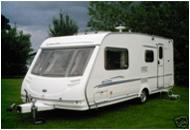
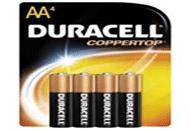
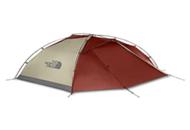
Label the following images.
1) 
2) 
3) 
4) 
2.- Grammar
a) The Present Perfect
Form: Have/Has + Past Participle
Verb: To have
Full Form | Short Form |
I have | I've |
You have | You've |
He / she / it has | He's / she's / it's |
We have | We've |
You have | You've |
They have | They've |
b) Past Participle
To form the Past Participle with regular verbs: Bare infinitive + ed
- Walk – walked
- Talk – talked
- Cook – cooked
- Watch – watched
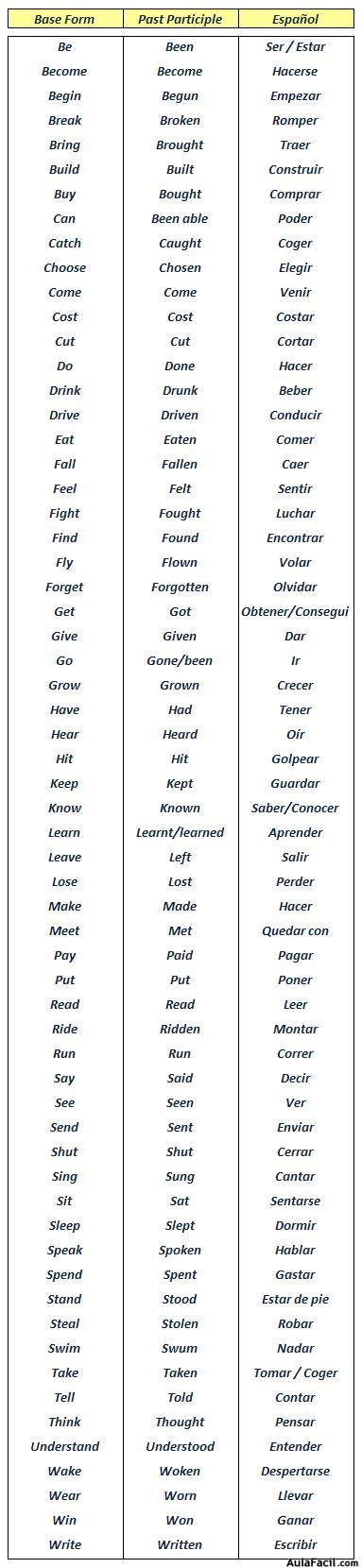
There are lots of irregular Past Participles, please learn this list.
Irregular Verbs
2.A.- Practice
Change the Infinitives into Past Participles
1) Lose 2) Win 3) Close 4) Buy 5) Sell 6) Write 7) Interest 8) Understand
2.B.- Use
1. You use the Present Perfect for something which happened in the past but has an effect in the present:
A: Are you going to see the film tonight?
B: No. I’ve already seen it.
A: Why isn’t John at work?
B: He’s had a bad accident.
2. Often the Present Perfect refers to the very recent past:
- Karen has just passed her exams. Karen acaba de aprobar sus exámenes.
- I’ve just seen your mother at the shops. Acabo de ver a tu madre en la tienda.
3. You use the Present Perfect for something which started in the past and continues in the future:
- I know London very well. I’ve lived there for five years.
4. Or to ask questions about the past up to the present:
A: Have you heard of Boris Becker?
A: Have you been to America?
2.C.- Practice
Write the verb in the Present Perfect
1) The children (see) the new Indiana Jones film. 2) I (read) that book three times. 3) We (go) to Italy before. 4) I can´t believe you just (make) a cake. 5) He (not/ buy) Grandma a birthday present. 6) Why you (eat) your dinner? 7) They (buy) a new house. 8) he (speak/ he) to his boss?
C - Make questions using the Present Perfect?
1) Go/ Brazil 2) Read/ Don Quijote 3) See/ Andre Agassi 4) Go/ Madrid
3.- Reading
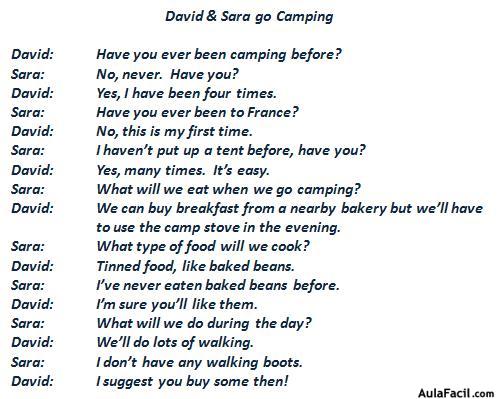
(Para ver la traducción hacer doble click en el texto; un click vuelve a posición original)
3.A.- Practice
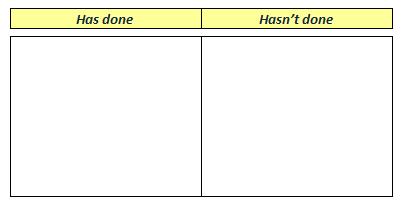
A – Complete the table with what Sara has and hasn’t done
(Para ver la solución hacer doble click en el texto; un click vuelve a posición original)
B – Complete the text about David and Sara.
David and Sarah are going . They are going to . David has been to France before but Sarah to France. When they go camping, they are going to buy breakfast from a and use their to cook food in the evening. During the day they are going to do lots of . Sarah any walking boots.